
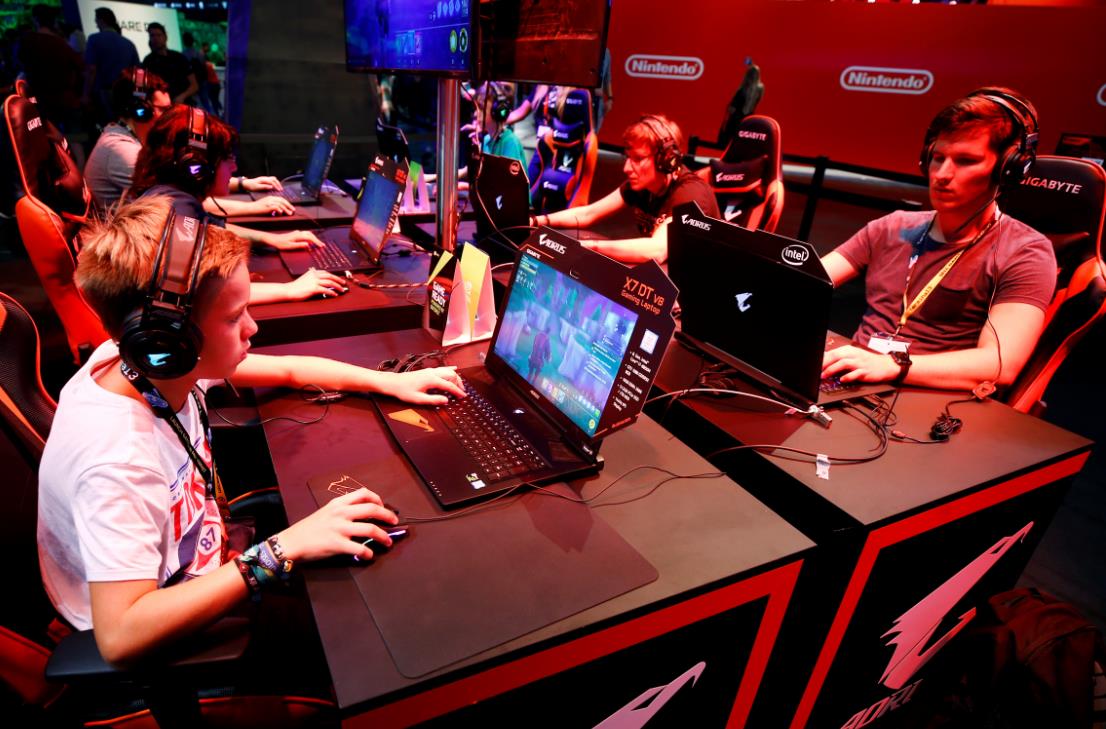
In the last two decades, aggressive gambling has transformed from a recess pursuit into a international cultural and worldly squeeze. What began with pixelated battles in arcades and LAN parties has evolved into multimillion-dollar tournaments, professional teams, and a thriving integer entertainment manufacture. Esports once advised a periphery element of pak game is now formation the hereafter of online amusement, redefining what it means to be a professional jock, and influencing the broader landscape of media, engineering, and youth culture.
The Origins: From Arcades to Arenas
The origins of militant play date back to the 1970s and 80s, with early on tournaments like Atari s Space Invaders Championship in 1980 drawing thousands of participants. However, the true evolution began in the late 1990s and early 2000s with the Parousia of high-speed net and the rise of multiplayer games like Counter-Strike, StarCraft, and Quake. These titles laid the groundwork for online rival, fosterage communities that organised their own tournaments and began to set up the theoretical account of modern font esports.
What was once a hobbyhorse divided up among modest, ardent communities is now a 1000000000-dollar industry. Today, top esports athletes earn salaries, sponsorships, and stigmatise deals same to orthodox sports stars. Platforms like Twitch, YouTube Gaming, and Kick have created new ecosystems for broadcasting, turning gameplay into amusement and gamers into celebrities.
The Business of Esports
As viewership grew, so did the stage business opportunities. By 2024, the international esports commercialise surpassed 1.6 one thousand million in revenue, with projections suggesting continued increment in the age ahead. Sponsorship deals with companies like Red Bull, Intel, and Nike have become banality, while media rights, trade gross revenue, and ticketed live events now typify John Roy Major tax income streams.
Franchised leagues like the League of Legends Championship Series(LCS) and the Overwatch League mirror traditional sports organizations in structure, featuring player contracts, team management, and territorial fan bases. These leagues volunteer a sense of legitimacy and , attracting investment funds from mainstream sports owners and celebrities likewise.
Technological Innovation and Player Development
Technology continues to be a driving force behind the expansion of esports. High-performance PCs, hi-tech peripherals, and thinning-edge cyclosis applied science players and fans to engage with games at an unprecedented pull dow of fidelity and interactivity. Artificial news and machine scholarship are now being used to analyze gameplay data, serving players improve strategies and coaches fine-tune team performance.
At the same time, esports training facilities have sprung up globally, providing sustenance, natural science seaworthiness, mental health resources, and science for aspirant professionals. These efforts highlight a maturation sentience of the natural science and scientific discipline demands of aggressive gaming.
The Future of Online Gaming
Looking out front, the integration of esports into mainstream culture is unsurprising to intensify. With younger generations gravitating more toward play than orthodox media, esports is self-collected to become a cornerstone of entertainment. Universities volunteer scholarships for esports athletes, high schools run functionary esports programs, and the International Olympic Committee has even introduced esports into their realistic serial publication.
Moreover, the metaverse and advancements in virtual and increased world are set to redefine how we go through online play. Interactive integer arenas, personal avatars, and immersive viewer modes could wreak fans closer to the sue than ever before.
Challenges and Opportunities
Despite its speedy increase, esports faces challenges. Issues such as burnout among young players, inconsistent regulations across regions, and concerns about inclusivity remain pressing. Furthermore, monetization models preserve to germinate, with questions about long-term profitability and sustainability for teams and organizers.
Nonetheless, the trajectory is clear. Esports is no longer just a game it s a social movement, a path, and a new form of world competitor. As technology advances and audiences grow, the line between traditional sports and competitive gaming continues to blur, suggesting a futurity where esports holds touch standing on the worldwide stage.
From pixels to power, the journey of esports is just commencement and its touch will be felt far beyond the screen.