
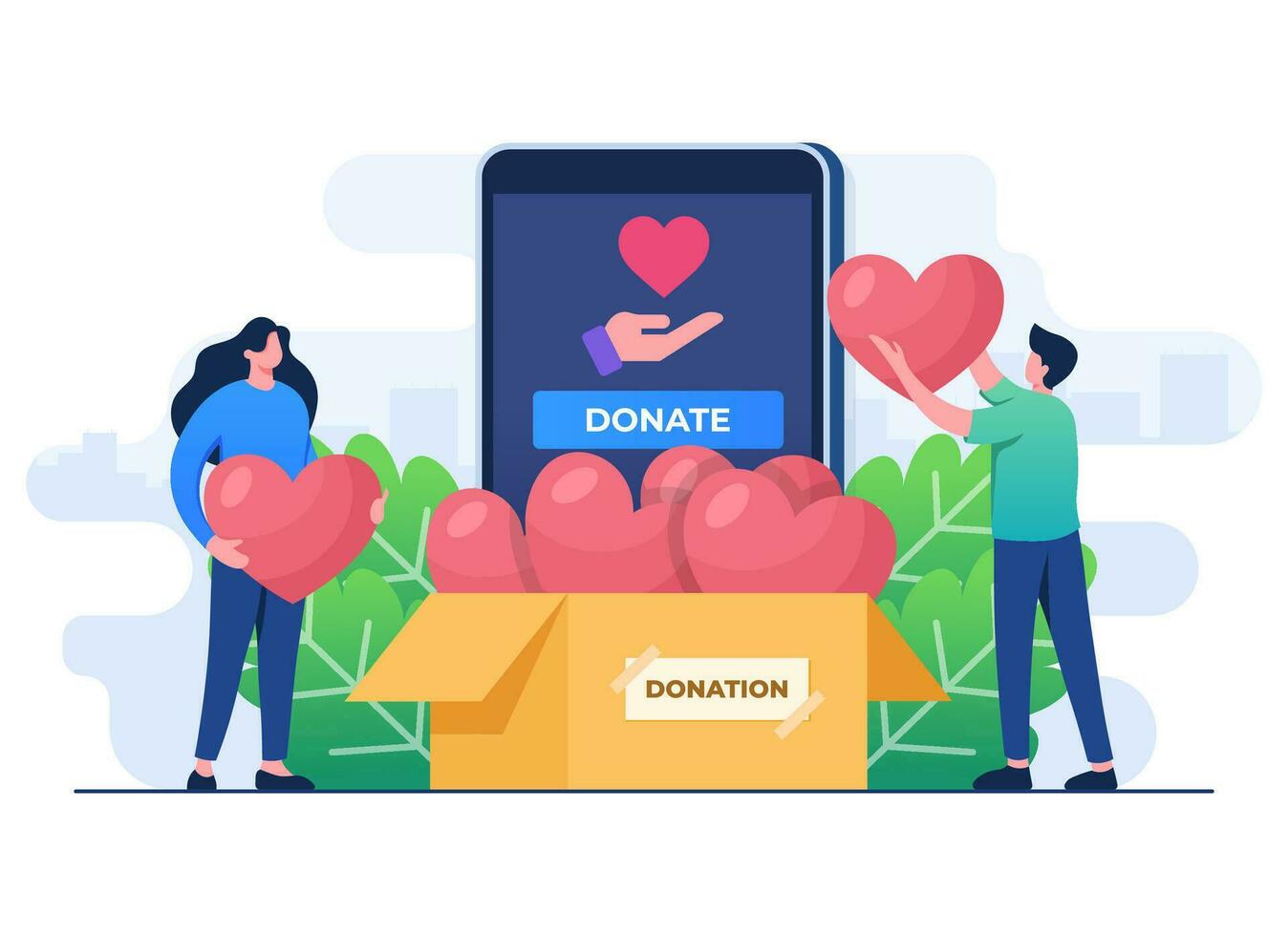
Charity is more than an act of kindness; it is the essence of empathy and the driving force behind creating stronger, more compassionate societies. At its core, charity is about recognizing the needs of others and stepping forward to offer support, whether it's through time, resources, or advocacy. In a world that often seems divided by wealth, status, and power, charity serves as a bridge that connects people across all boundaries, creating a shared sense of responsibility and care for one another.
The Spirit of Charity: Why We Give
The concept of charity has existed for millennia, often intertwined with religious teachings, cultural practices, and moral values. The idea that helping those less fortunate is a moral obligation transcends borders and belief systems. From the early days of human history, communities have practiced forms of charity, whether through communal meals, shared resources, or altruistic acts.
The desire to help others often stems from a shared understanding of the human experience. We give because we recognize the struggles of others as reflections of our own vulnerabilities. Charity taps into our innate sense of empathy, encouraging us to put ourselves in others' shoes and act out of a deep-seated care for their well-being.
Types of Charity: Broadening the Definition of Giving
Charity is a multifaceted concept that extends far beyond financial donations. Here are several ways charity manifests in society:
-
Monetary Donations: Financial giving is perhaps the most visible form of charity. Whether it's contributing to a local charity, an international relief effort, or a personal crowdfunding campaign, monetary donations provide organizations with the resources to carry out their missions. The ease with which we can donate online today has made charitable giving more accessible, allowing people from all walks of life to contribute.
-
Volunteering: While money can alleviate immediate needs, it is the human touch that brings lasting change. Volunteering offers a personal connection to the cause you care about. Whether it's working at a food bank, tutoring disadvantaged students, or providing companionship to the elderly, volunteering is a direct and tangible way to make a difference in people's lives.
-
In-Kind Donations: Donating goods—clothing, food, furniture, books, or medical supplies—can be just as important as giving money. In-kind donations often fulfill specific needs in a community, especially during times of crisis. Charities often distribute these donations to people who may not have the financial means to purchase essential items for themselves.
-
Advocacy and Awareness: Advocacy is a critical aspect of charity that goes beyond giving money or time. Raising awareness about social issues and advocating for policy changes that benefit the underserved is a powerful form of charity. Many organizations rely on advocates who use their voices to speak out for marginalized communities and bring attention to causes that are often ignored by mainstream society.
-
Social Entrepreneurship: Some individuals and organizations approach charity through the lens of business. Social enterprises are businesses that seek to create social impact while generating profit. These organizations tackle pressing issues such as poverty, education, and healthcare by using innovative, sustainable business models that also aim for positive societal change.
The Importance of Charity in Times of Crisis
One of the most profound roles of charity is seen during times of crisis—whether due to natural disasters, humanitarian conflicts, economic recessions, or public health emergencies. When the unexpected happens, charity is often the lifeline that helps communities rebuild and recover.
During the COVID-19 pandemic, for example, millions of individuals and organizations stepped up to donate funds, deliver meals, provide medical supplies, and support frontline workers. Charitable efforts were instrumental in providing immediate relief to those affected, particularly vulnerable groups like the elderly, homeless, and low-income families. Without charity, the suffering of those impacted by crises would have been far more pronounced, and the road to recovery would have been much longer.
Charity also plays a crucial role in rebuilding communities after natural disasters, like earthquakes, floods, or hurricanes. Humanitarian aid—delivered by local charities, international organizations, and individual volunteers—helps restore essential services, rebuild homes, and ensure that affected individuals have the resources they need to survive and thrive again.
Charity and Social Justice: Tackling Inequality
Charity is not only about responding to immediate needs—it is also about addressing the root causes of inequality and injustice. Charitable organizations often focus on long-term solutions that empower individuals and communities to escape poverty and build better lives. By supporting education, healthcare, and economic development initiatives, charity helps break the cycle of poverty and promote social mobility.
Moreover, charity has a significant role in advocating for systemic change. While providing short-term relief is vital, charity also works to address the underlying issues that cause injustice, whether it’s racial inequality, gender discrimination, or economic exploitation. Many charities today are focused not just on providing aid, but on promoting human rights, challenging policies that perpetuate poverty, and advocating for those who do not have a voice in decision-making processes.
The Psychological and Emotional Impact of Charity
Charity not only helps those who receive it, but it also deeply enriches the lives of those who give. The act of charity brings a sense of fulfillment and purpose, boosting mental well-being and fostering a sense of connectedness to others. Research consistently shows that people who give are often happier, more satisfied with their lives, and have lower levels of stress.
This phenomenon, known as the "helper's high," is rooted in neuroscience. Acts of kindness trigger the release of endorphins, the body's natural feel-good chemicals. In addition to making givers feel good, charity fosters a sense of community. People feel more connected when they share their resources and efforts for a common cause. Giving can strengthen bonds between individuals, families, and communities, and it promotes a sense of belonging and solidarity.
How Charity is Evolving in the Digital Age
In today’s world, technology has transformed the way charity operates. Crowdfunding platforms like GoFundMe and Kickstarter allow individuals to raise money for personal or community-based causes, bypassing traditional charity channels. Social media has become an essential tool for spreading awareness, organizing campaigns, and rallying support for various causes, creating a global network of advocates and donors.
Moreover, digital platforms have made charitable giving easier and more transparent. Online donation portals, subscription-based giving, and apps like Charity Miles make it convenient for people to contribute regularly, ensuring a continuous flow of support for organizations in need. Blockchain technology is even being explored for its potential to provide transparency and accountability in charitable donations.
Charity’s Role in Shaping the Future
As the world faces unprecedented challenges, such as climate change, income inequality, and political unrest, the role of 婚宴回禮慈善 is more critical than ever. The future of charity lies in collective action. As individuals and organizations work together to address global challenges, charity will continue to be a driving force for positive change.
Additionally, the rise of socially conscious consumerism and corporate philanthropy indicates a shift towards a more integrated approach to charity. Companies are increasingly expected to contribute to societal well-being, whether through donations, volunteer efforts, or sustainable business practices. The idea that charity is the responsibility of individuals alone is slowly being replaced by the notion that we all—businesses, governments, and individuals—must contribute to making the world a better place.
Conclusion
Charity is a universal language of love and compassion. It transcends borders, cultures, and belief systems, bringing people together in the pursuit of a common goal: improving the lives of others. Whether through financial donations, volunteering, in-kind contributions, or advocacy, charity has the power to create positive change and shape a more compassionate and just world. In times of crisis, in the fight for social justice, or in our everyday lives, charity is the heartbeat of a compassionate society. It is a reflection of our shared humanity and a testament to the transformative power of kindness.