
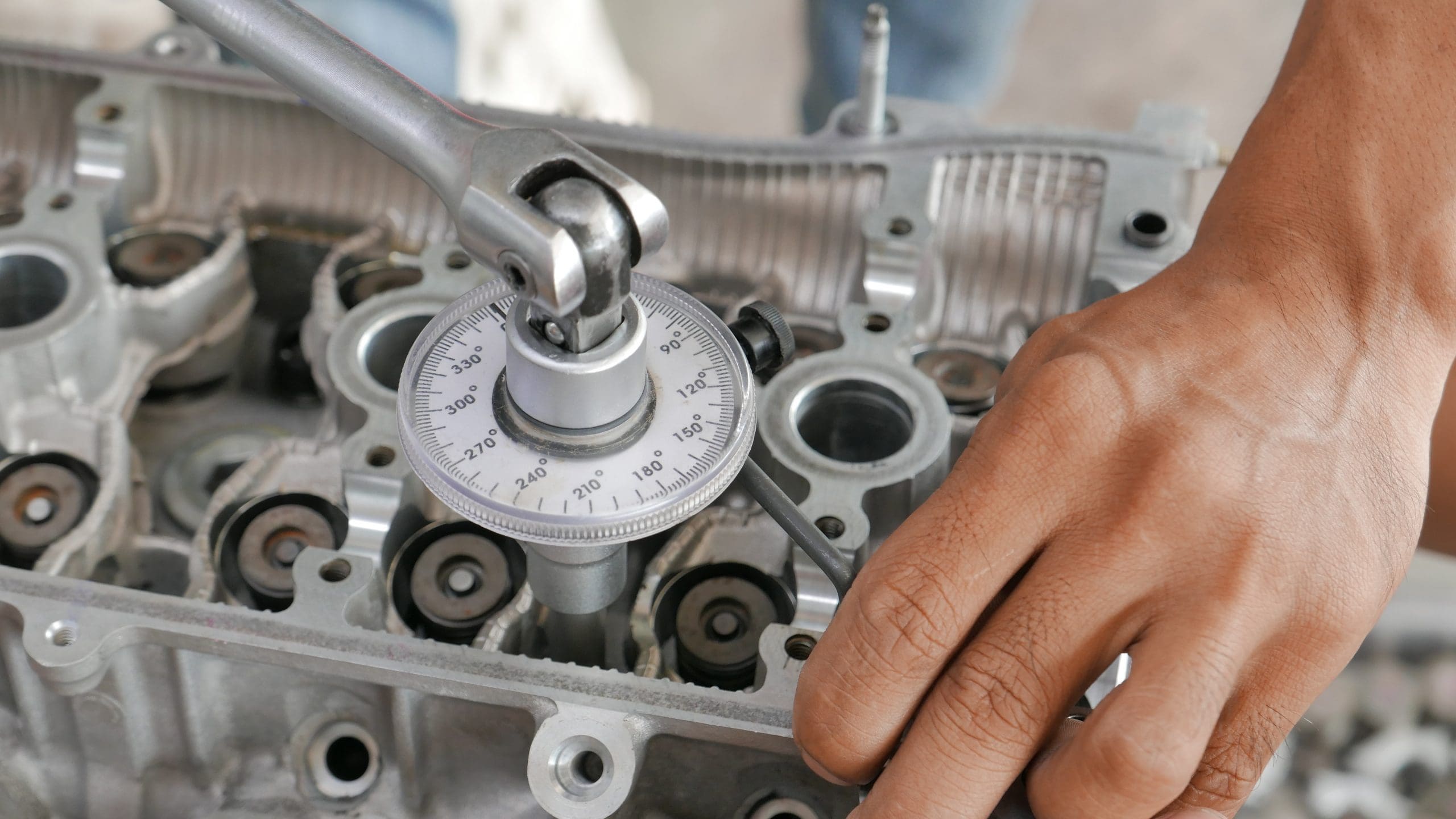
Owning a car is an necessity part of modern font life, offering the exemption to trip, work, and research. However, like all machines, a VEHICLE requires habitue care to wield its public presentation, refuge, and seniority. Comprehensive https://jose-ramon-fernandez-martines.jimdosite.com/calibracion-de-torquimetros-en-mexico/ sustainment is not just about reparatio problems as they uprise but involves a proactive approach to retention your car in top form year-round. By staying on top of subprogram maintenance, you can keep off expensive repairs, raise the life of your VEHICLE, and ascertain that you re driving safely. In this clause, we ll research the key components of comprehensive examination VEHICLE upkee and volunteer tips to help you keep your car track swimmingly for years to come.
1. Routine Oil Changes
Oil is the lifeblood of your car’s engine. It lubricates the moving parts, reducing friction, preventing overheating, and ensuring the runs smoothly. Regular oil changes are material to keep wear and tear.
Why it matters: Over time, oil breaks down and becomes less operational, which can lead to . If the oil take down is low or the oil is dirty, the can overheat, reduction its and even causing it to fail.
How often: Most VEHICLEs need an oil change every 3,000 to 7,500 miles, but it s important to touch o to your car’s owner s manual for particular recommendations.
2. Tire Maintenance
Your tires are the only direct of meet between your car and the road, making tire sustenance crucial for both public presentation and safety. Tires that are the right way raised and well-maintained see a drum sander ride, better fuel efficiency, and more effective treatment.
Why it matters: Under-inflated or worn tires can lead to poor treatment, inflated fuel using up, and a greater risk of blowouts. Proper tire sustenance can also extend the life of your tires.
How to maintain: Regularly tire coerce(especially before long trips), turn out your tires every 6,000 to 8,000 miles, and see to it the trample depth is ample. Also, inspect tires for signs of damage, such as cuts, bulges, or punctures.
3. Brake System Care
Your VEHICLE s braking system of rules is one of the most critical safety features. Maintaining it ensures you can stop rapidly and effectively, reducing the risk of accidents. Over time, the brake pads and rotors wear out and may need surrogate.
Why it matters: Worn-out bracken pads can lead to rock-bottom braking , qualification it harder to stop in time. Additionally, neglecting bracken sustainment can cause more wicked damage to other parts of the braking system of rules, leadership to overpriced repairs.
How to wield: Pay aid to any unusual sounds, such as squeaky or detrition, when applying the brakes. Have your brakes inspected on a regular basis, and supervene upon pasture brake pads or rotors when necessary.
4. Fluid Levels and Coolant System
Your VEHICLE relies on various fluids, including transmission changeful, brake changeable, , and major power steering changeable, to run smoothly. Each of these fluids plays a role in keeping the car s systems workings expeditiously and preventing .
Why it matters: Low unstable levels can lead to overheating, poor shifting performance, and engine failure. For exemplify, coolant is causative for regulation temperature. If the coolant is low or old, the engine may overheat, leadership to costly repairs.
How to exert: Check and top off fluids on a regular basis. Many cars have changeful reservoirs that are easy to and replenish. Follow the manufacturer s recommendations for fluid changes and keep off intermixture different types of fluids, especially for coolant and transmittance fluids.
5. Battery Maintenance
A dead stamp battery can lead you marooned, and habitue battery upkee can help you avoid this trouble. Over time, batteries lose their buck and can rust, affecting their performance.
Why it matters: A weakness stamp battery can cause electrical issues or result you unable to start your car. Corrosion on stamp battery terminals can cause poor connections, leading to weak public presentation or even a complete nonstarter.
How to exert: Inspect the stamp battery terminals for corrosion and strip them with a solution of hot soda and water. Check the battery shoot up and supercede the battery if it s more than three to five old age old or showing signs of moderating.
6. Air Filters and Fuel System
Air filters and the fuel system play a life-sustaining role in ensuring your car runs with efficiency. Air filters keep rubble from ingress the engine, while a clean fuel system ensures optimum combustion.
Why it matters: Clogged air filters can reduce engine performance, step-up fuel consumption, and cause try. A begrime fuel system can lead to poor fuel and trouble starting the .
How to maintain: Replace the air filter regularly, typically every 12,000 to 15,000 miles, or more ofttimes if you drive in unoriginal environments. Keep an eye on the fuel injectors, and clean the fuel system of rules sporadically to check best public presentation.
7. Timing Belt and Serpentine Belt
The timing belt and snaky belt are critical components that help gover the engine’s surgery. These belts verify the timing of the engine s internal components and see that systems like the superpowe steering, air , and alternator operate properly.
Why it matters: If a timing belt fails, it can lead to wicked , requiring dearly-won repairs. A impoverished serpentine belt can cause a loss of superpowe to necessity systems, including the alternator, irrigate pump, and superpowe steerage.
How to exert: Timing belts should be replaced every 60,000 to 100,000 miles, depending on your VEHICLE s make and simulate. Serpentine belts should be inspected for wear and replaced as required.
8. Regular Inspections and Professional Service
While some maintenance tasks can be done by car owners themselves, it s also fundamental to have your VEHICLE inspected by a professional person machinist regularly. A secure technician can place potential issues before they become John R. Major problems.
Why it matters: Professional mechanics have the tools, knowledge, and undergo to name issues that might not be perceptible to the primitive eye. Regular professional inspections can modest problems early on, deliverance you from pricey repairs down the line.
How to wield: Schedule an yearbook or semi-annual inspection, depending on your habits. Always touch o to your car s owner s manual for any producer-recommended service schedules.
Conclusion
Comprehensive VEHICLE sustentation is requirement for ensuring that your car runs swimmingly, safely, and expeditiously for geezerhood to come. By staying on top of subprogram tasks such as oil changes, tire sustenance, Pteridium aquilinu checks, and changeful levels, you can prevent many common issues and broaden the life of your car. Remember that proactive care is always better than sensitive repairs, and investing in your car’s maintenance now can save you money and try in the future. Keep your car in first-class condition, and you ll enjoy a safer, more TRUE experience.