
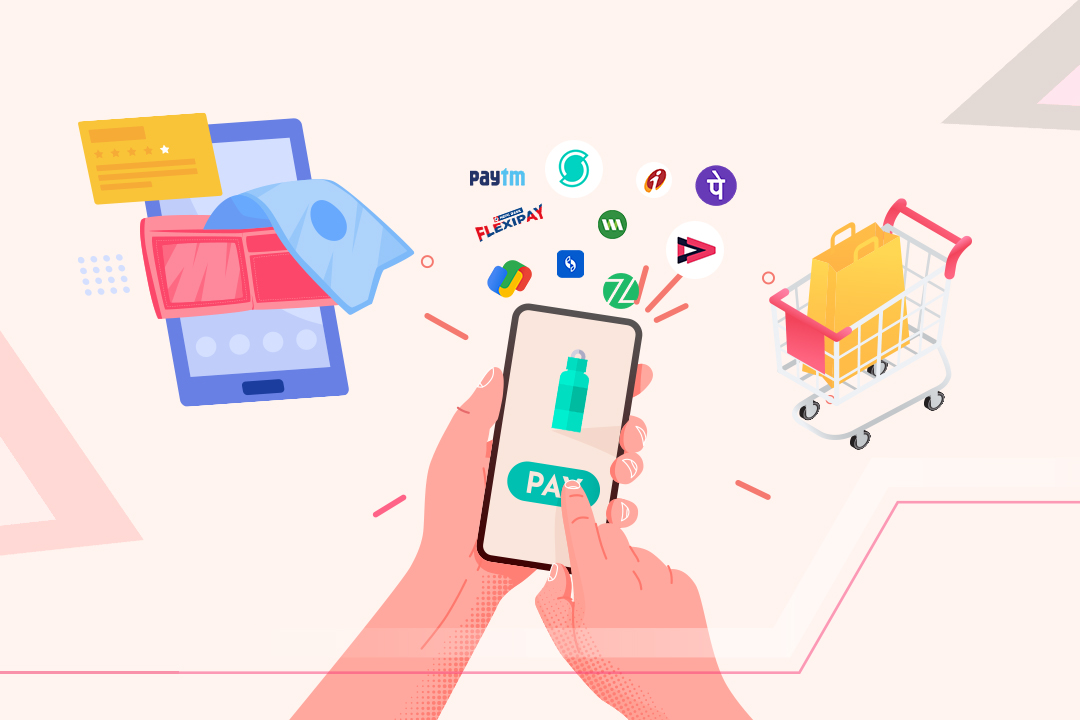
In today’s fast-paced, technology-driven world, e-payment systems have transformed how we manage money, purchase goods, and engage in financial transactions. What was once a complex and often time-consuming process has now become a seamless, instantaneous activity—whether for purchasing a coffee, sending money internationally, or investing in assets. The evolution of electronic payments has reshaped traditional finance, making the process of transferring money as easy as pressing a button on your smartphone. But what exactly are e-payments, how have they evolved, and what role do they play in the broader economy? Let’s explore the world of e-payments and why they are crucial to the digital economy.
What Are E-Payments?
E-payments, or electronic payments, refer to the process of making financial transactions or paying for goods and services through digital platforms. These systems use electronic means, such as computers, mobile devices, or ATMs, to complete financial exchanges without the need for physical cash or traditional banking methods like checks.
In the modern context, e-payments encompass a wide range of technologies, including credit and debit cards, online banking transfers, digital wallets, mobile payments, cryptocurrencies, and even emerging payment technologies like biometric authentication and voice-based payments. The beauty of e-payments lies in their ability to provide an efficient, secure, and instantaneous means of conducting financial transactions.
The Evolution of E-Payments
The concept of e-payments is not new; it has been evolving over several decades. Let’s take a quick look at how e-payment systems have advanced over time:
-
The Pre-Internet Era: Card Payments and ATMs
Before the internet revolutionized financial services, credit cards and debit cards became the main method of digital payments. Introduced in the 1950s and 1960s, card payments enabled individuals to make transactions without needing to carry cash. In parallel, ATMs emerged, allowing consumers to access their bank accounts and withdraw money electronically. -
The Rise of Online Payments (1990s)
With the growth of the internet in the late 1990s, online shopping became popular. This spurred the creation of secure online payment platforms like PayPal (founded in 1998), which enabled people to make payments and transfer funds securely online. Soon after, banks introduced online banking, allowing consumers to manage their finances digitally, including making payments and transferring money. -
The Mobile Payment Revolution (2000s – 2010s)
The proliferation of smartphones in the 2000s led to the rise of mobile payment solutions. Apple Pay, Google Pay, and Samsung Pay transformed mobile phones into digital wallets. Users could now store their credit card information securely and make payments simply by tapping their phones on contactless point-of-sale (POS) terminals. -
The Cryptocurrency Era (2010s – Present)
Bitcoin, launched in 2009, introduced the world to cryptocurrency—a decentralized form of digital money that uses blockchain technology. Although still a relatively niche form of payment, cryptocurrencies have disrupted the financial sector, providing an alternative to traditional banking systems, particularly for international transactions. -
The Future: Biometric and Voice Payments
Looking ahead, biometric authentication and voice-powered transactions are expected to redefine the landscape of e-payments. With fingerprint scanners, facial recognition, and voice assistants like Amazon Alexa and Google Assistant, e-payments could become even more seamless, secure, and accessible.
Types of E-Payment Systems
The landscape of cryptocurrency payment gateway systems is vast, offering a range of options to cater to different needs. Let’s break down the most common types of e-payment methods:
-
Credit and Debit Cards
Credit and debit cards are still the most widely used e-payment methods, accepted almost everywhere—online and in physical stores. These cards allow for secure transactions by linking directly to a bank account or a credit line. They provide consumers with a high level of convenience but come with transaction fees for merchants. -
Digital Wallets (E-Wallets)
E-wallets like PayPal, Venmo, Google Pay, and Apple Pay allow consumers to store multiple payment methods, including credit and debit cards, in a single secure location. These wallets enable quick, convenient payments, particularly for online shopping, bill payments, and peer-to-peer transfers. E-wallets also store digital coupons, tickets, and loyalty cards, making them an all-in-one solution for modern payments. -
Mobile Payments
Mobile payment platforms like Samsung Pay, Apple Pay, and Google Pay allow users to make payments directly from their smartphones using Near Field Communication (NFC) technology. These payments are made possible by linking the mobile app to a bank account or credit card, and users can simply tap their phones on a contactless POS terminal to complete the transaction. -
Bank Transfers
Bank transfers are a reliable method of sending funds directly from one bank account to another. ACH (Automated Clearing House) payments in the United States, and SEPA (Single Euro Payments Area) transfers in Europe, have made cross-border payments faster and cheaper, allowing businesses and individuals to send payments across borders without the need for physical currency. -
Cryptocurrency
Cryptocurrencies like Bitcoin, Ethereum, and others represent a new form of payment that operates outside of traditional banking systems. These transactions use blockchain technology to offer secure, peer-to-peer transfers without intermediaries. Though adoption is still growing, cryptocurrencies offer unique benefits, such as lower fees for international transactions, transparency, and enhanced privacy. -
Buy Now, Pay Later (BNPL)
BNPL services like Klarna, Afterpay, and Affirm have become increasingly popular, particularly in the e-commerce space. These services allow consumers to make purchases and split payments into installments over time. BNPL services often come with no interest if paid in full within a specific period, giving consumers flexibility in managing their finances.
Advantages of E-Payments
E-payment systems have revolutionized the way we transact, offering several benefits that have driven their widespread adoption:
-
Convenience
The most obvious advantage of e-payments is convenience. With just a few clicks or taps on your smartphone or computer, you can make payments, send money, or shop online. There’s no need to wait in long lines at the bank or keep track of cash, making e-payments a more efficient option for individuals and businesses alike. -
Speed
E-payments are often processed almost instantly, unlike traditional methods such as checks or wire transfers, which can take several days to clear. Whether you are transferring funds, paying bills, or making a purchase, the entire process is completed much faster, enhancing user satisfaction. -
Global Reach
E-payments eliminate the geographic limitations that come with traditional payment methods. With the rise of digital wallets, mobile payments, and cryptocurrencies, people can now send money or make payments to anyone, anywhere in the world, with minimal delays or additional costs. -
Enhanced Security
E-payment systems use advanced encryption, two-factor authentication, and tokenization techniques to protect users’ personal and financial data. This reduces the risk of fraud, making online transactions more secure than ever before. Additionally, cryptocurrencies use blockchain technology, which ensures the transparency and immutability of each transaction. -
Lower Transaction Costs for Businesses
For businesses, e-payments eliminate the need for expensive physical infrastructure, such as cash registers or card readers. E-payment systems also reduce the risk of human error, streamline the checkout process, and offer lower transaction fees compared to traditional credit card processors, making them a more cost-effective solution for merchants. -
Financial Inclusion
E-payment systems have the power to bring financial services to the unbanked population, particularly in developing regions. By offering digital wallets and mobile payments, individuals without access to traditional banking services can make transactions and participate in the global economy, thus promoting financial inclusion.
Challenges of E-Payments
While e-payments provide numerous advantages, they come with certain challenges that need to be addressed:
-
Cybersecurity Risks
The more we rely on digital systems, the greater the risk of cyberattacks. While e-payment systems are generally secure, breaches still occur, and users' financial data can be compromised. Ensuring robust cybersecurity measures and educating users about safe online practices are critical steps to mitigate these risks. -
Privacy Concerns
Many e-payment systems require users to store sensitive personal and financial information on digital platforms. This raises concerns about how companies use and protect this data. Additionally, the risk of data breaches can expose customers to identity theft or fraud. -
Digital Divide
Not everyone has access to the necessary technology, such as smartphones or reliable internet connections, to fully participate in the digital economy. This digital divide can exclude large portions of the population, especially in remote or low-income regions, from benefiting from e-payment systems. -
Regulatory Challenges
The rapid growth of e-payment systems has created challenges for regulators, who must develop rules that protect consumers, promote competition, and ensure the stability of the financial system. Different countries and regions have varying regulatory frameworks, and the need for international cooperation is becoming increasingly critical.
The Future of E-Payments
As technology continues to evolve, the future of e-payments is bright. Here are some emerging trends to watch:
-
Artificial Intelligence (AI) and Machine Learning
AI will play a major role in improving fraud detection, personalizing customer experiences, and automating payment processes. With machine learning algorithms, e-payment systems will become even more secure and efficient. -
Biometric Payments
Biometric authentication, such as facial recognition or fingerprints, will likely replace traditional passwords, offering a more secure and convenient way to make payments. This could revolutionize mobile payment systems by making them faster and more user-friendly. -
The Growth of Cryptocurrencies
As cryptocurrencies continue to gain acceptance, we could see their adoption as mainstream payment methods. The ability to conduct secure, low-cost cross-border transactions will make cryptocurrencies increasingly attractive, especially in emerging markets. -
Integration with IoT
The Internet of Things (IoT) will also change how e-payments are made. Smart devices will become payment tools, with autonomous payments for everyday services like transportation, groceries, and utilities being made without user intervention.
Conclusion
E-payments have redefined the way we conduct financial transactions, offering convenience, security, and efficiency. As digital platforms continue to evolve, the role of e-payments in the global economy will only grow stronger, enhancing financial inclusion, reducing transaction costs, and improving access to services worldwide. While challenges like cybersecurity and privacy concerns remain, technological innovations promise to address these issues, making e-payments an even more integral part of our daily lives in the near future.